
Is Bossier City About to Have the Highest Sales Tax Rate in the Nation?
After all the recent excitement surrounding new developments in Bossier City and the Louisiana Boardwalk, a major red flag is officially being raised along the riverfront.
As excitement builds over new restaurants and revitalized spaces, a new question is surfacing among local shopkeepers and restaurant owners: Is Bossier City about to price out the very small businesses that built our entertainment districts? And could this tax shift actually end up driving shoppers across the river to Shreveport instead?
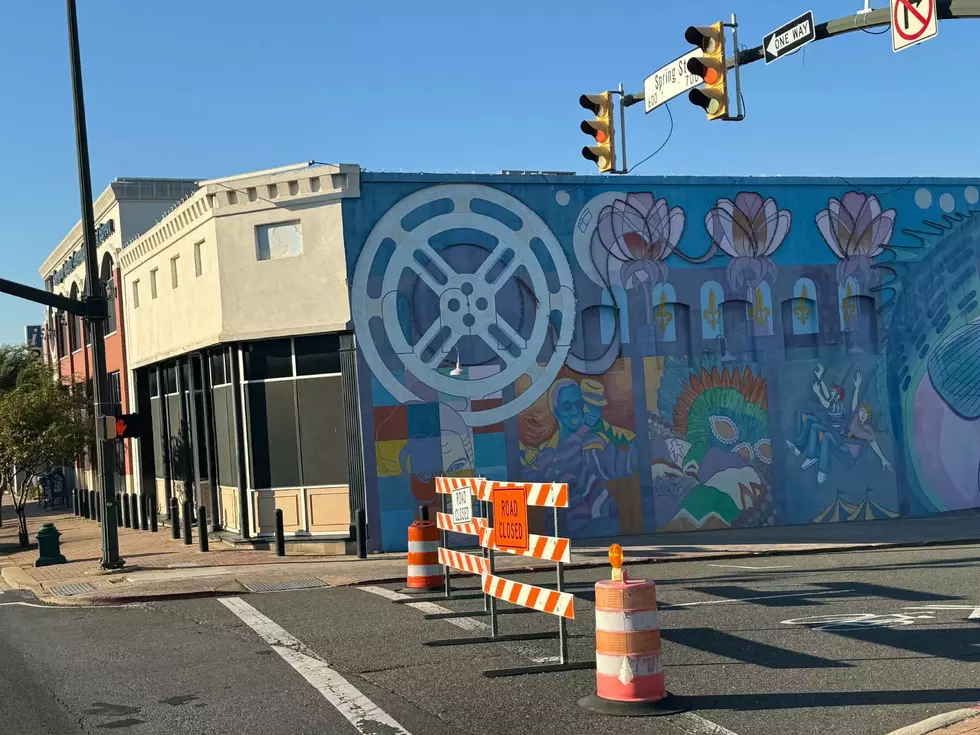
By now, you have likely heard about the Bossier City proposal to establish two new special economic development zones: "The Row" and "The Row II." Designed to encompass the Louisiana Boardwalk Outlets, local casinos, and the East Bank District, the city’s stated goal is to physically and visually connect these hubs to entice visitors to explore multiple attractions.
To fund this vision, which includes ideas like a SporTran shuttle loop and updated district lighting, the plan establishes legal boundaries for an additional 2% sales tax. Bossier City estimates the new districts could generate between $1.5 million and $1.8 million annually.
On paper, district improvements sound promising. But in practice, adding a 2% tax increase onto existing rates would push this new entertainment district’s sales tax to what could be the highest in the nation.
According to recent national tax rankings compiled by Intuit QuickBooks, Louisiana already holds the title for the highest average combined sales tax rate in the entire nation at 10.11%. In localized special taxing districts across the state, such as parts of Ouachita and East Baton Rouge parishes, combined rates already reach as high as 12.5% to 12.99%.
Which raises the critical question: What are small businesses actually getting in return?
When I began calling local business owners who sit directly within the proposed boundaries of "The Row" to ask how they felt about the extra 2%, the response was eye-opening. Roughly half of the owners I spoke with had no idea the proposal was even happening.
Why were so many kept in the dark? Because under state guidelines for special Economic Development Districts, the process does not require a public ballot vote from residents or business owners.
By utilizing the "entertainment district" designation, the decision rests entirely in the hands of the Bossier City Council. The very small business owners who will have to collect and absorb the impact of the highest sales tax in the country won't have a vote, only council members do.
Wanting answers, I reached out directly to Bossier City Councilman Vince Maggio. But as it turns out, the man who helped build the East Bank from the ground up isn't even allowed to vote on the measure without facing state ethics fines.
Maggio, 65, works six days a week running his family’s grocery store, Maggio’s, which has been in business for 103 years. Because he also holds part-ownership in East Bank real estate within the proposed district, voting on the tax would represent a conflict of interest.
"I don't like it. This ain't right, have you seen the economy?" Maggio told me during a candid phone call from his store. "I'm all for Bossier City growing, but people are tired of taxes. They're calling me, saying, 'Let's find another way. Let's get more people in here.' And the owners of the Boardwalk have to do their share, too."
Maggio recalled the early days when he and Don Tubbs took a gamble on the district, buying up properties with a vision for what the area could become.
"We thought we could build it back. Then we met Beaux, and he helped us, and we helped him, and we built the East Bank," Maggio said. "Don't kill it now."
City officials have suggested the district tax would help pay for enhanced lighting and dedicated security for the area. But long-time district operators question why existing tax dollars aren't already covering basic municipal services.
"It ain't no win-win for a small business. We got tax dollars for that already," Maggio pointed out, noting that venue owners already pay significant out-of-pocket costs for off-duty law enforcement to keep patrons safe. "We pay off-duty police officers and U.S. Marshals every single week right off the top. When we first started, Bossier promised they'd take care of the security, and that lasted a month." Hurricane Alley is probably paying upwards of $100,000 a year for police protection alone.
And despite the district being positioned as a tourist draw, local operators know who will bear the brunt of the register totals.
"It's local people that are down there paying that tax," Maggio added. "It's going to be Bossier City people, Benton, Shreveport, and it's coming back on us."
While Maggio admits his old-school approach relied on sweat equity rather than municipal tax hikes, he urges residents to voice their perspectives before the final roll call.
"They said I'm old school, it wasn't no city helping us, it was us," Maggio said. "I can't vote on it or I will get fined. I've just been here all my life, and that's why I ran for public office. We love Bossier City, and my wife and I would do anything for them. People need to call the Mayor and the Council members. Otherwise, it's going to open the doors for everyone to get taxed even more."
As Bossier City stands on the precipice of major riverfront growth, local leaders face a critical crossroads: Can we revitalize our crown jewel entertainment districts without placing the financial burden on the very local entrepreneurs who kept the lights on in the first place?
Before council members cast their final votes, Bossier City residents and small business owners deserve a seat at the table, and clear answers about where their hard-earned dollars are really going.
What Are Top Problems Facing Shreveport Bossier
Businesses Shreveport Bossier Residents Miss the Most
More From KISS Country 93.7