
Bossier East Bank & Boardwalk Tax Proposal Withdrawn
When opposition starts bubbling up in Bossier City, our community leaders usually hear it loud and clear. Over the past few weeks, discussions about a proposed Economic Development District (EDD) for Bossier’s main commercial and entertainment corridor reached a fever pitch, sparking intense debates among business owners, city officials, and everyday residents.
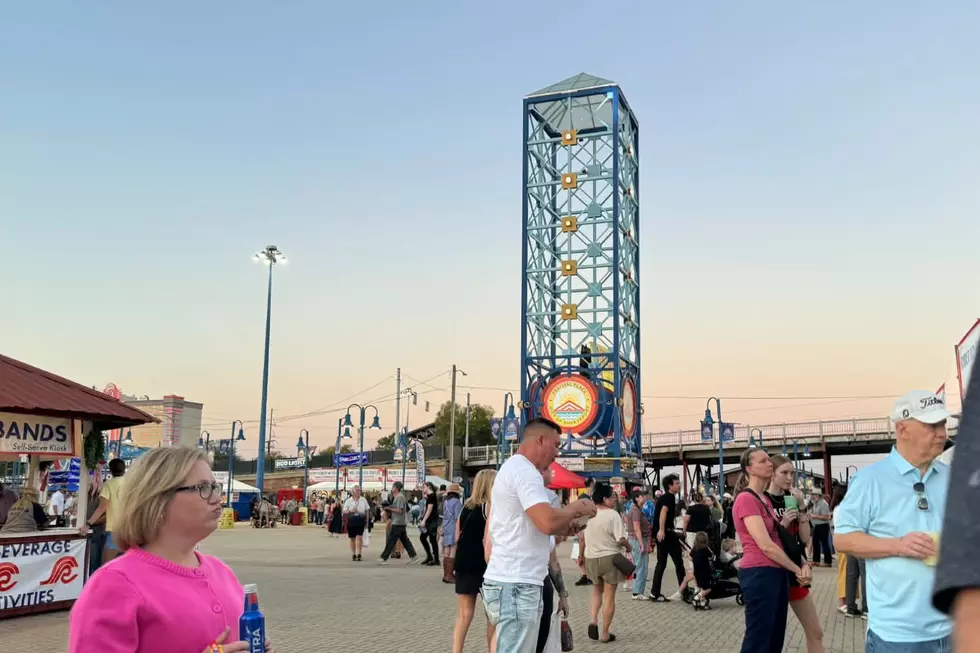
The proposed plan, spearheaded by Bossier City Councilman Chris Smith, aimed to establish a dedicated reinvestment zone encompassing the East Bank District, the Louisiana Boardwalk, local casinos, Chasing Aces, and Bass Pro Shops. The overarching vision was to generate funding through a 2% sales tax increase within the district boundaries to pay for district-wide enhancements. Proposed upgrades included increased street lighting, sidewalk improvements, pedestrian bridges, and dedicated shuttle services designed to transport visitors seamlessly between venues.
However, as details of the tax structure began circulating, pushback mounted rapidly from local merchants and community members concerned about the broad reach of the tax and how it would be implemented. Concerns hit a critical tipping point during recent stakeholder discussions, where representatives voiced frustration over the scope of taxable items.
Councilman Craton Cochran echoed those sentiments publicly, pointing out the practical confusion created by the proposal. "When we started talking about taxing baseball caps and janitorial supplies, I started to lose a little bit of faith," Cochran noted, adding that many in the community felt key details and transparency were missing during the early planning stages.
Recognizing the growing friction, Councilman Chris Smith officially issued a public statement announcing the complete withdrawal of the Entertainment Development District proposal from the City Council agenda. In his statement, Smith reflected on the intent behind the policy while acknowledging the missteps made in communicating its goals to the public.
"The goal of the EDD was to create a dedicated mechanism to reinvest money generated within our entertainment district back into that district," Smith explained. "I understand why part of this concept can initially seem counterintuitive... Leadership sometimes means fighting for an idea you believe is right. It also means recognizing when an idea needs more time." Smith admitted that the administration spent considerable time explaining the tax mechanics before fully establishing a crystal-clear, tangible vision that residents could get behind.
In the wake of the announcement, Bossier residents have taken to social media to weigh in on the decision. While opinions on the specific tax mechanism differed, the broader takeaway from the public reaction is overwhelmingly positive: our community deeply cares about the future and revitalization of Bossier City’s entertainment hubs.
The passion shown by locals proves that the success of our local business districts is deeply personal to the people who live here. You can feel that momentum everywhere you look. We see it in the thriving atmosphere of the East Bank District and Hurricane Alley, filled with incredible local dining options and nightlife. We see it in the fresh energy taking over the Boardwalk, where top chefs are choosing Bossier City for exciting new restaurant concepts, and sports enthusiasts are gathering to get active at venues like The Picklr. We feel it in our culture through live music gatherings at venues like the Louisiana Grandstand.
There is a genuine, newfound hope growing across Bossier City right now. While this specific policy wasn't the right fit at the right time, the passion surrounding the debate highlights a shared commitment to progress. If we keep sticking together, listening to one another, and looking out for our local businesses, we can make this tune turn around and bring Bossier City straight into its next great era.
Take a Look at the Brine Restaurant in Bossier City
More From KISS Country 93.7